Category: Honey Production & Harvest
-
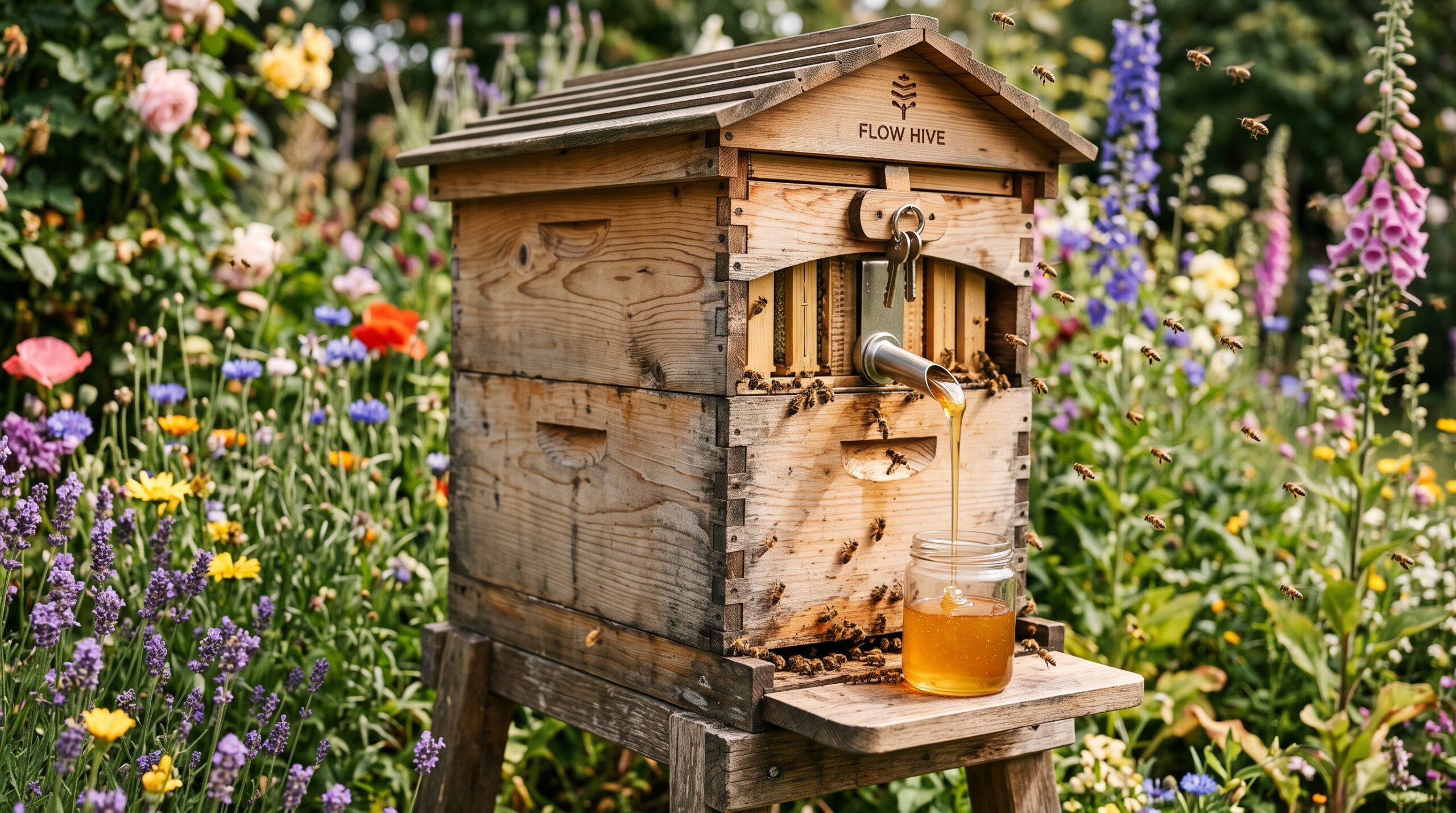
The Flow Hive After 3 Seasons: An Honest Review
After three seasons running a Flow Hive alongside conventional Langstroths, here is an unvarnished assessment of what the Flow Hive actually delivers versus what it promises.
-
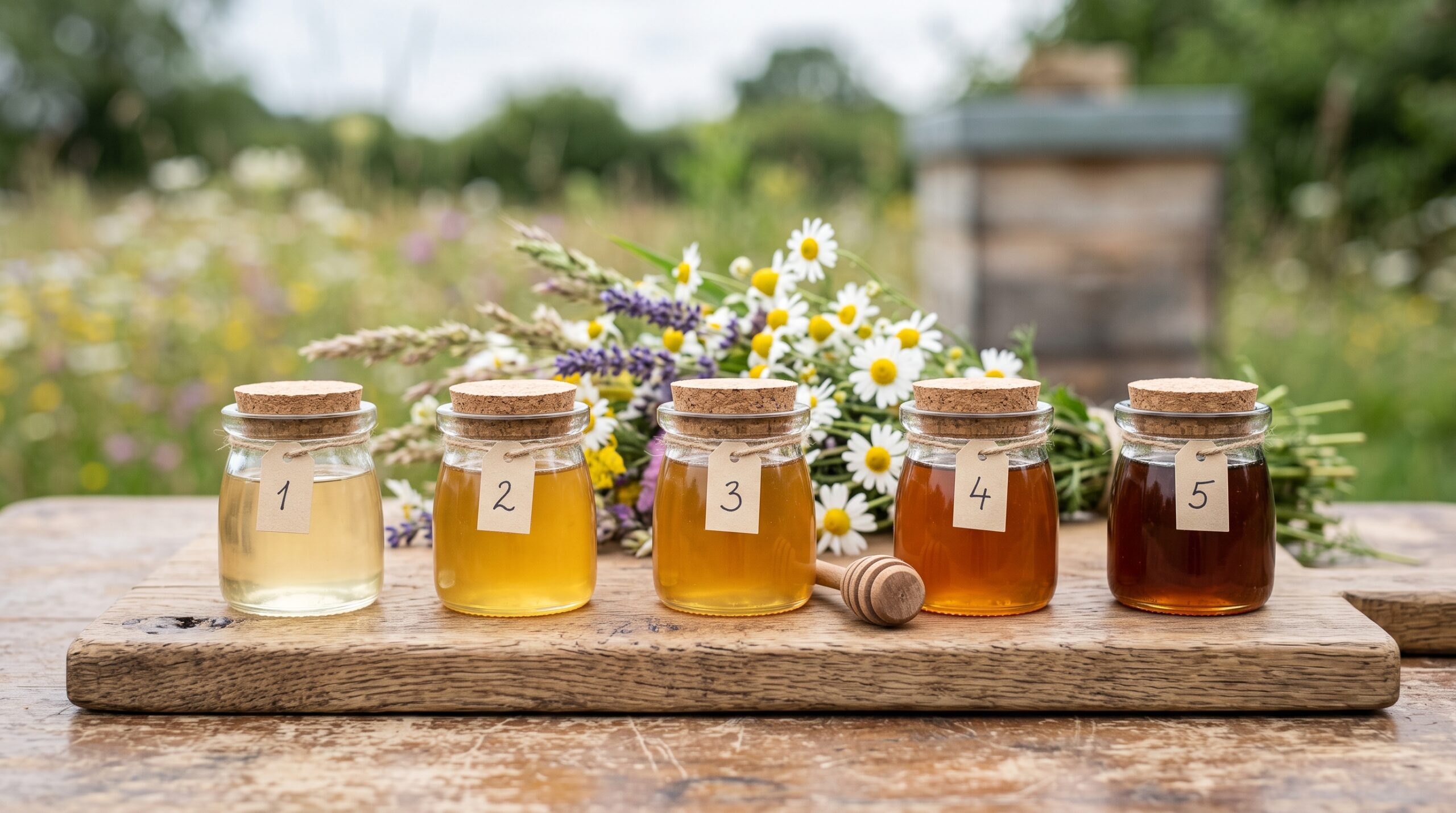
Why Your Honey Tastes the Way It Does: Understanding Terroir
The flavor of your honey is a direct record of what bloomed in your area — here’s how floral source, climate, processing, and age create honey’s distinctive terroir.
-
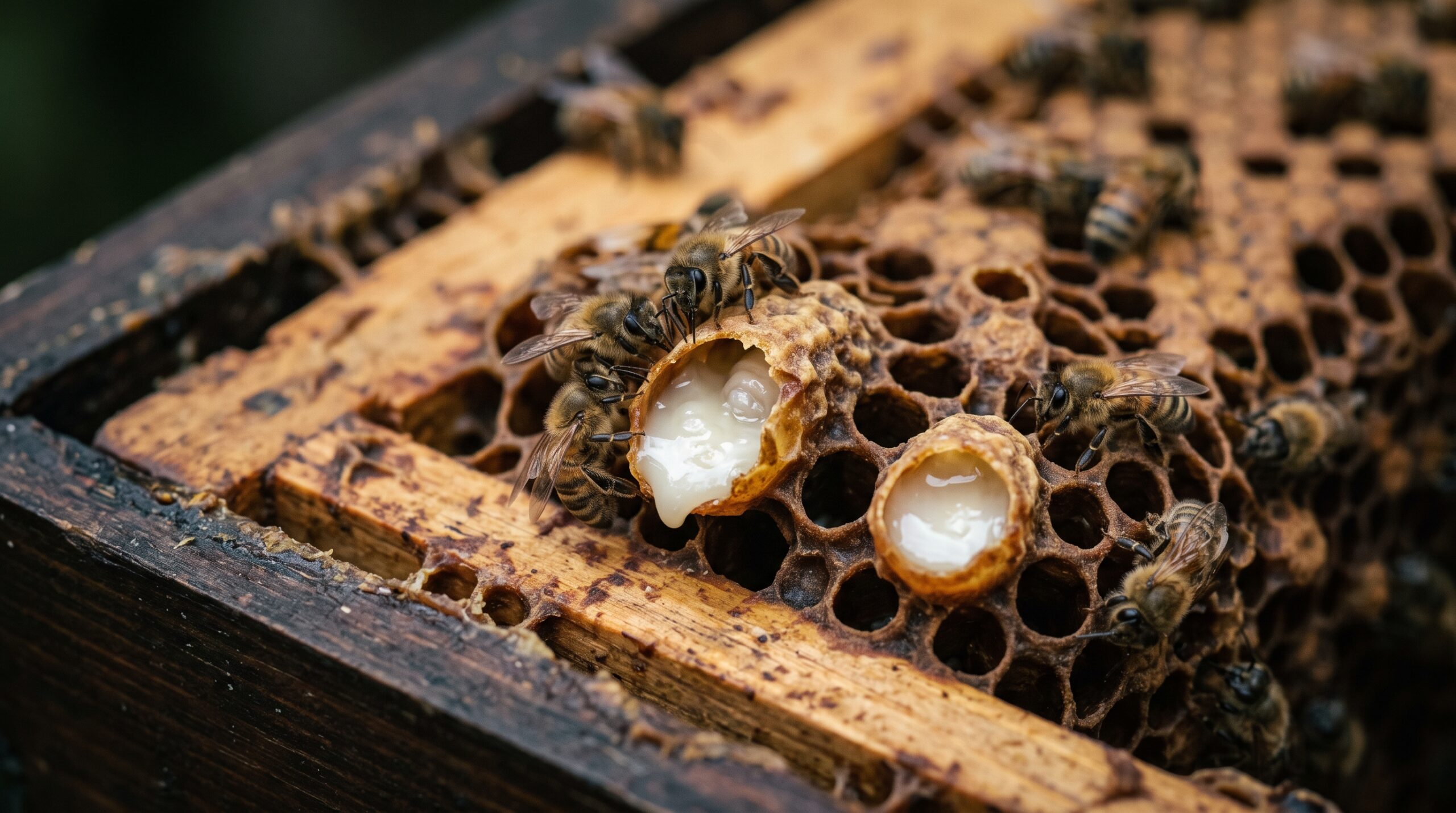
Royal Jelly: Should Small Beekeepers Bother Collecting It?
An honest look at royal jelly production — the labor involved, realistic yield from small apiaries, and whether the time-to-return ratio makes sense for hobbyists.
-
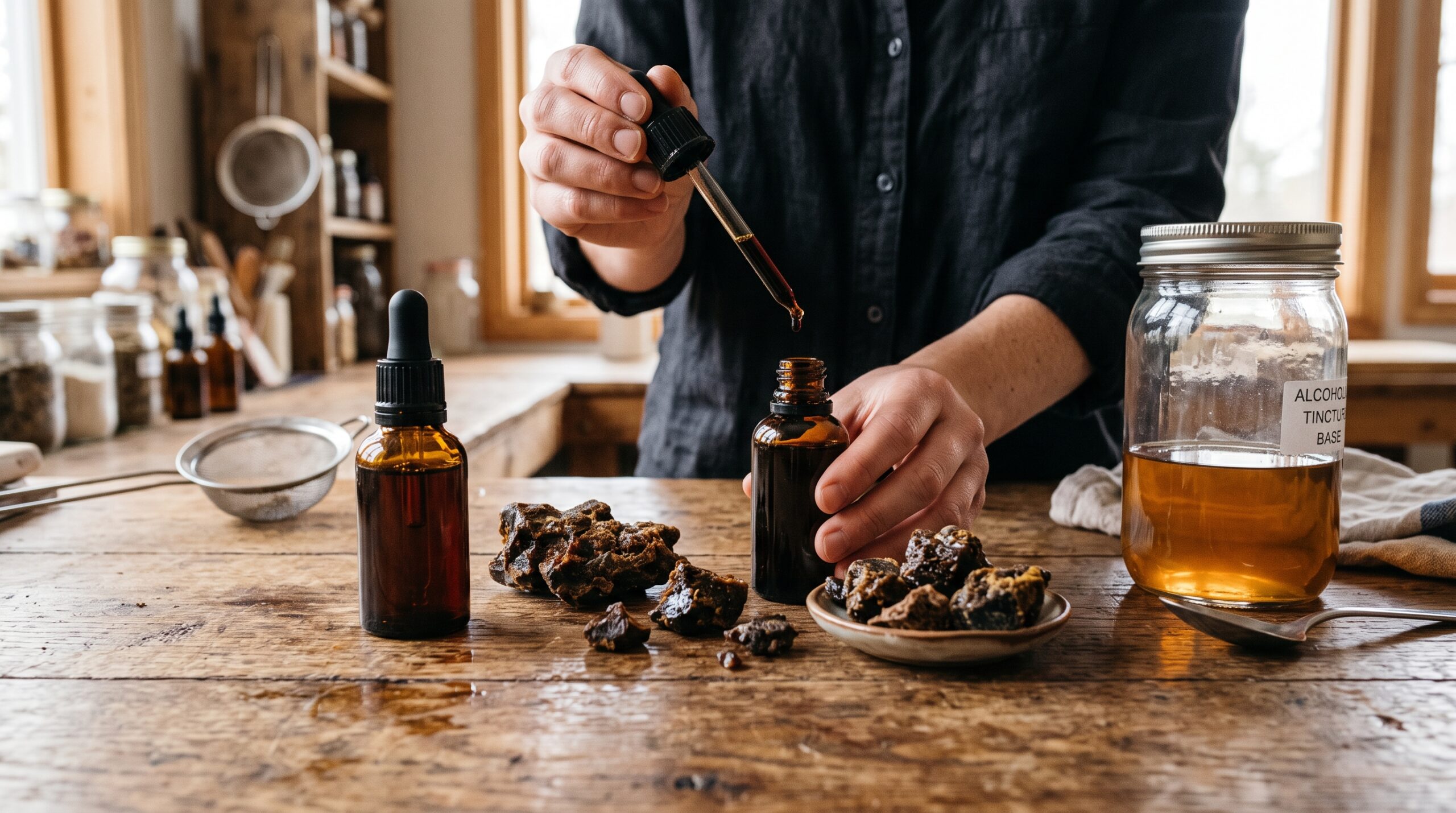
Making Propolis Tincture at Home: My Simple Method
A straightforward method for turning raw propolis from your hive into an alcohol tincture — what you need, how long it takes, and how people use it.
-
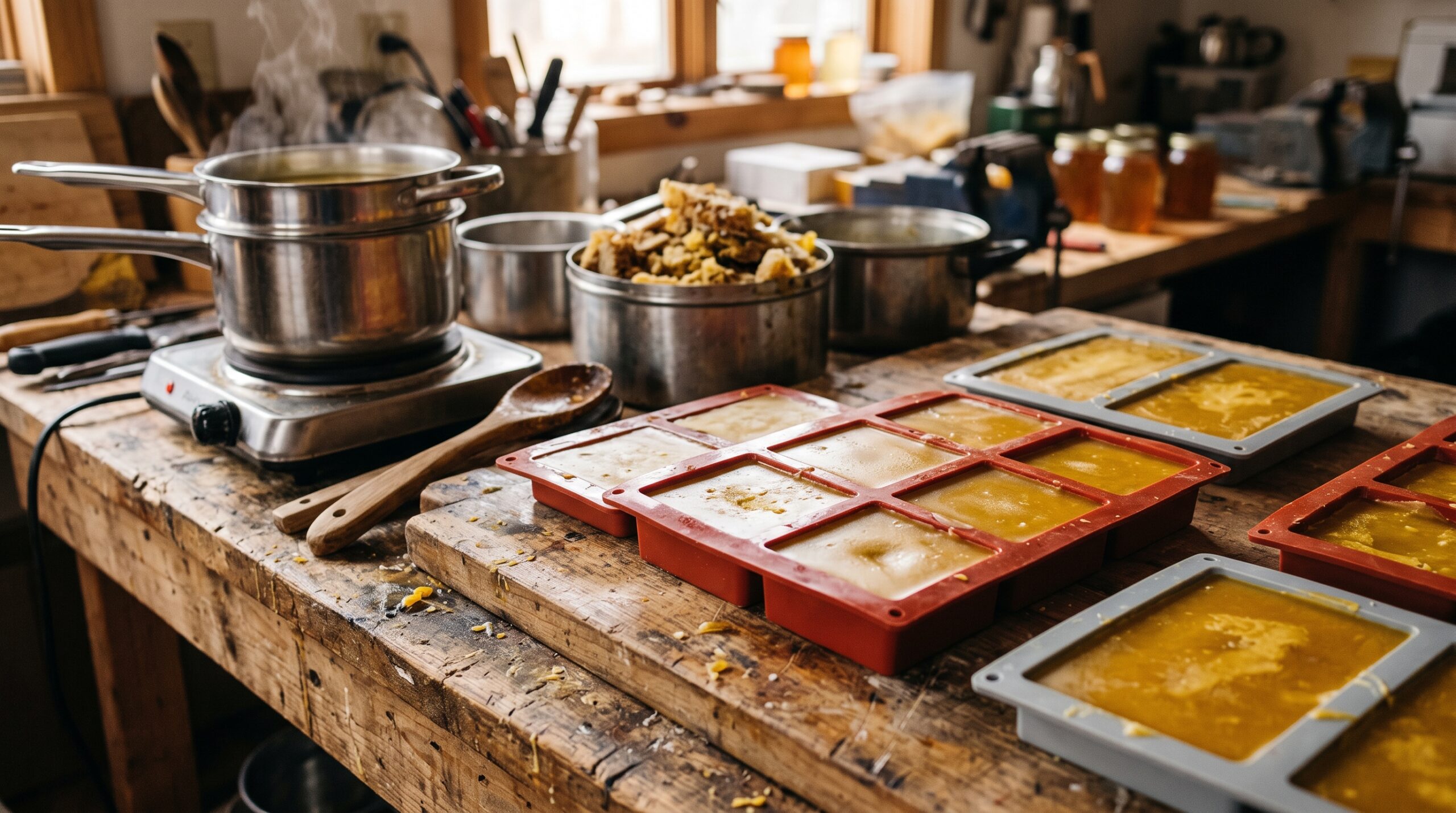
Harvesting Beeswax from Your Hive: A Beginner’s Guide
How to collect, melt, filter, and cast beeswax from cappings and old comb — a full beginner’s guide to producing clean blocks from your own hives.
-
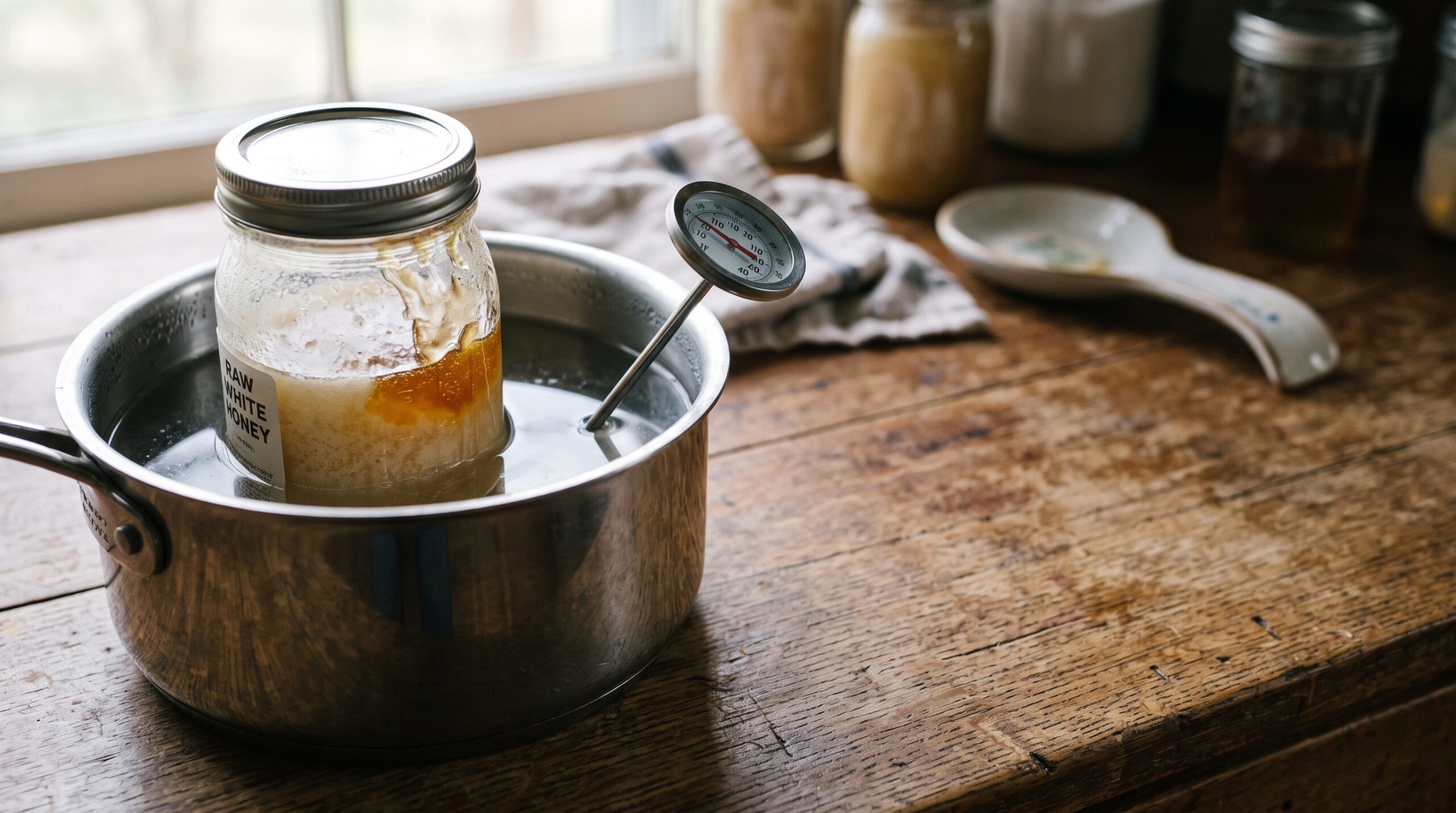
Why Honey Crystallizes and How to Reverse It Safely
Crystallized honey is not spoiled — it’s chemistry working as intended. Here’s why it happens and how to gently restore it to liquid without damaging quality.
-
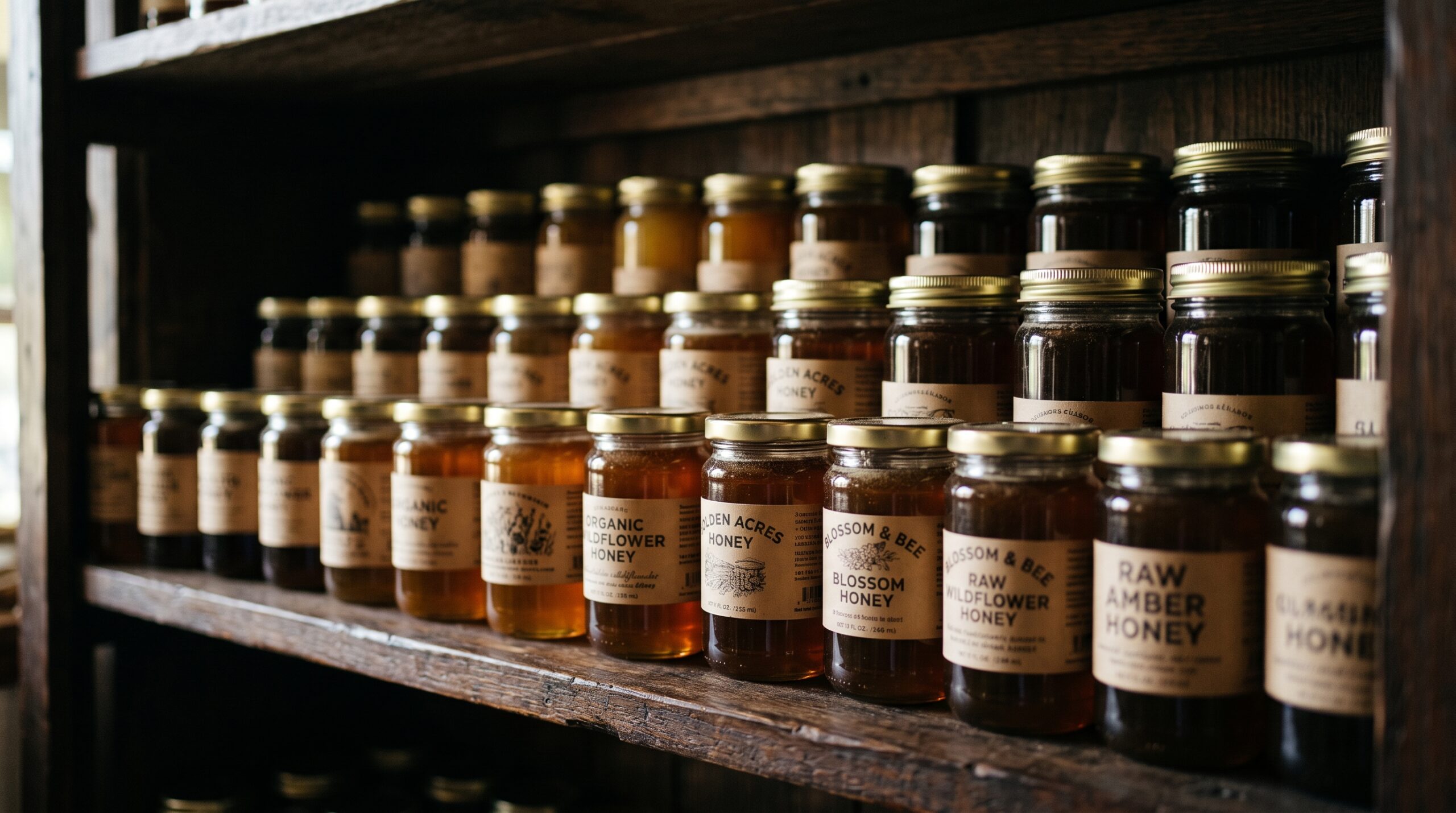
How to Store Honey So It Lasts (Even Decades)
The right containers, temperature, and location for long-term honey storage — plus why water content is the single most important variable.
-
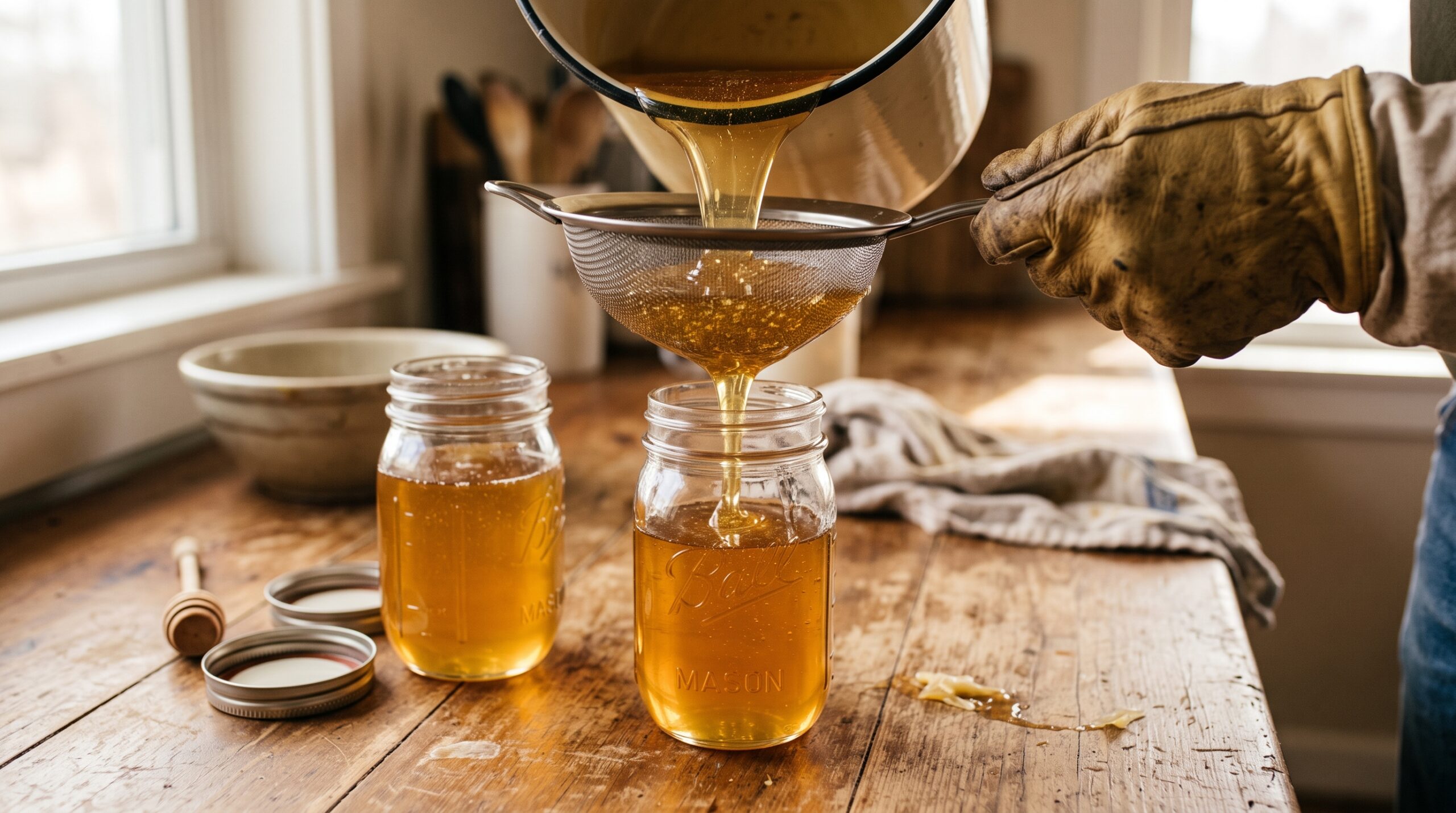
Filtering and Bottling Honey Without Ruining It
How to filter, settle, and bottle your honey properly — preserving flavor and appearance without introducing heat damage or air bubbles.
-
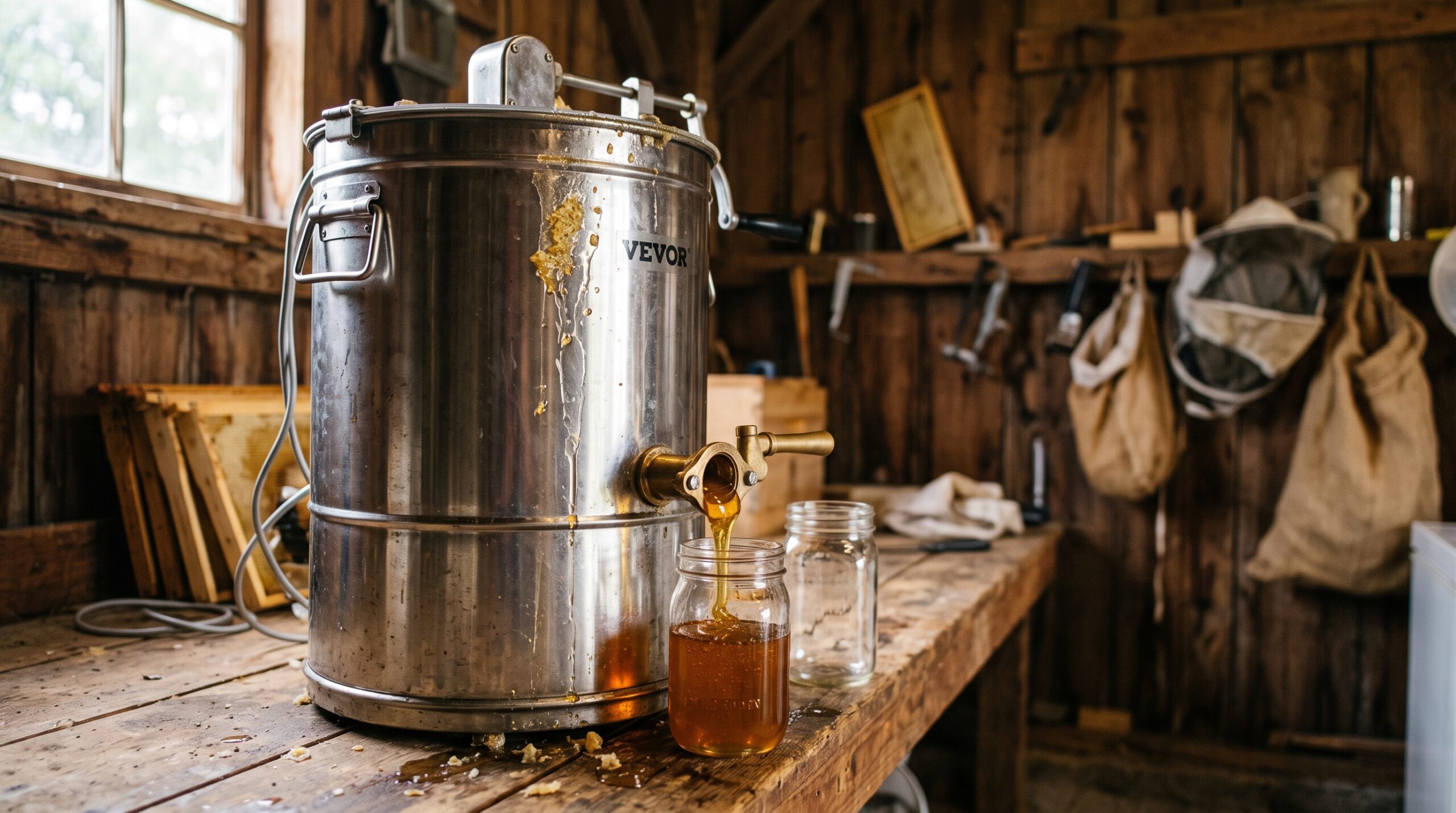
Honey Extraction: Crush-and-Strain vs. Extractor vs. Comb Honey
A practical breakdown of the three main honey extraction methods — crush-and-strain, radial extractor, and comb honey — so you can choose what fits your operation.
-
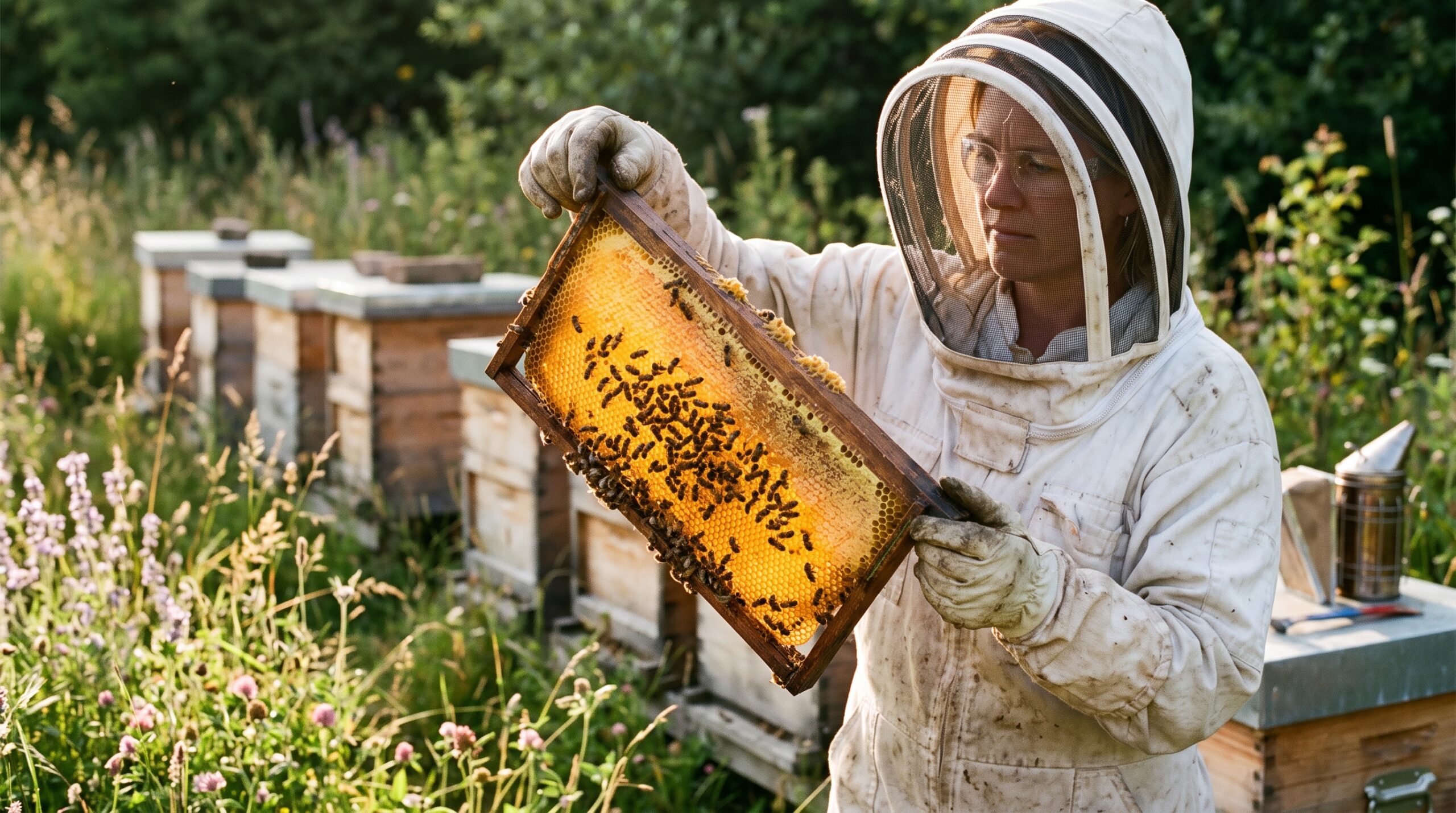
When to Harvest Honey: Reading Frames Like a Pro
Learn how to read honeycomb frames like an experienced beekeeper to know exactly when your honey is ready to harvest without risking fermentation.