Category: Bee Health & Diseases
-
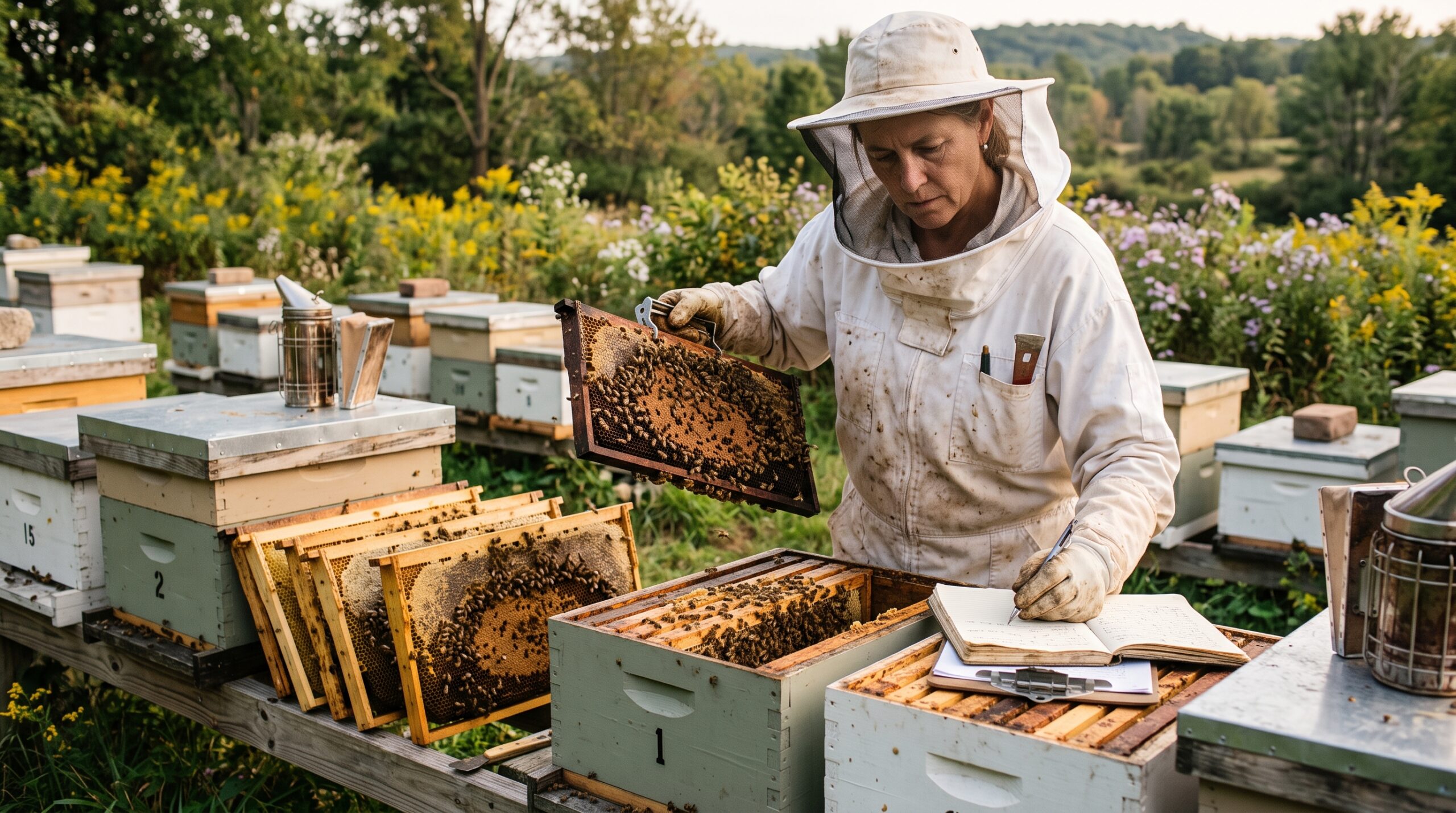
The Annual Hive Health Inspection I Do Every August
A thorough August inspection covering varroa counts, queen quality, food stores, brood health, and equipment condition sets every hive up for a healthy winter.
-
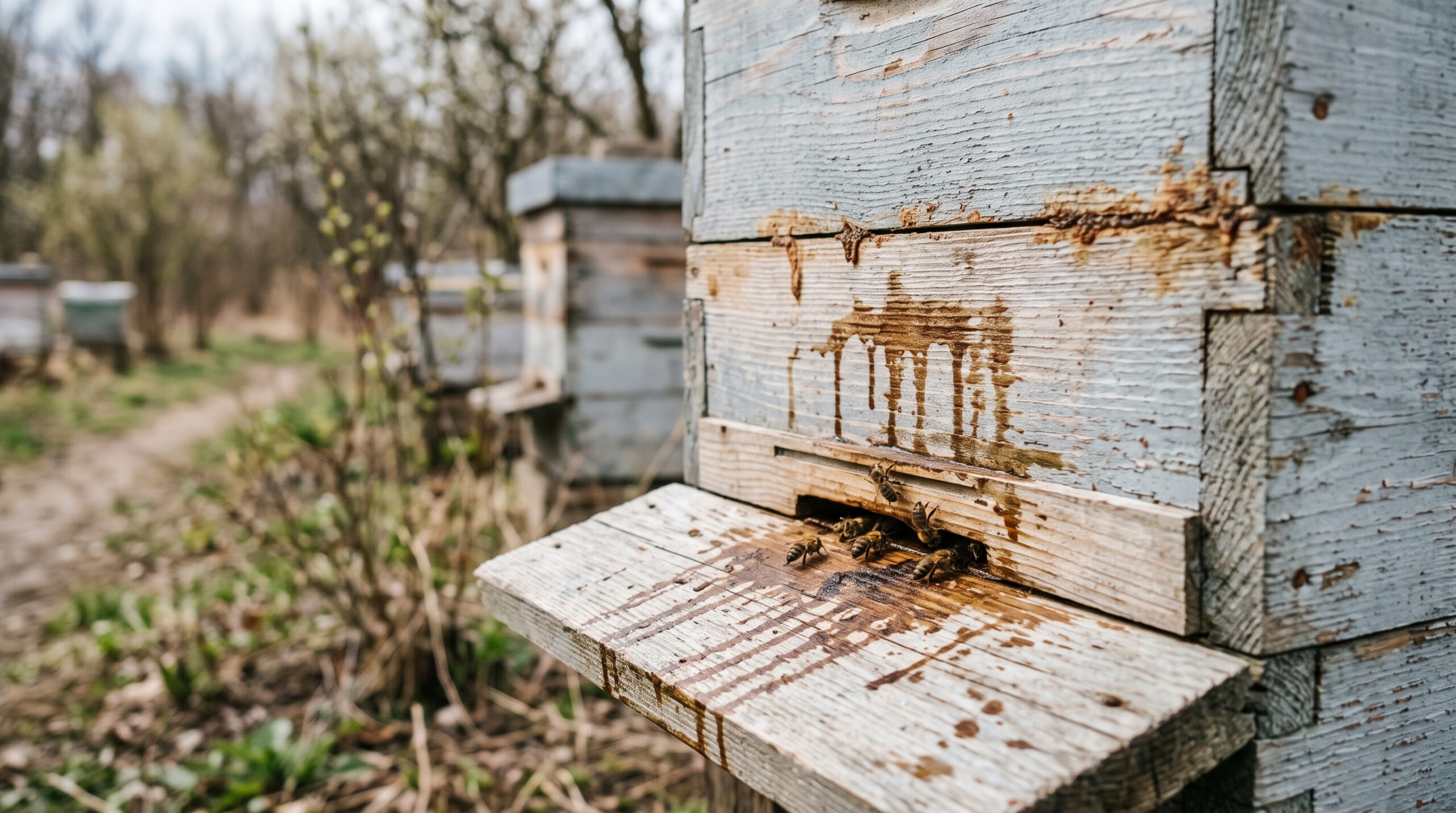
Bee Dysentery: Causes, Signs, and When to Worry
Brown streaks at your hive entrance range from a normal winter inconvenience to a sign of nosema or fermented stores — here is how to tell the difference.
-
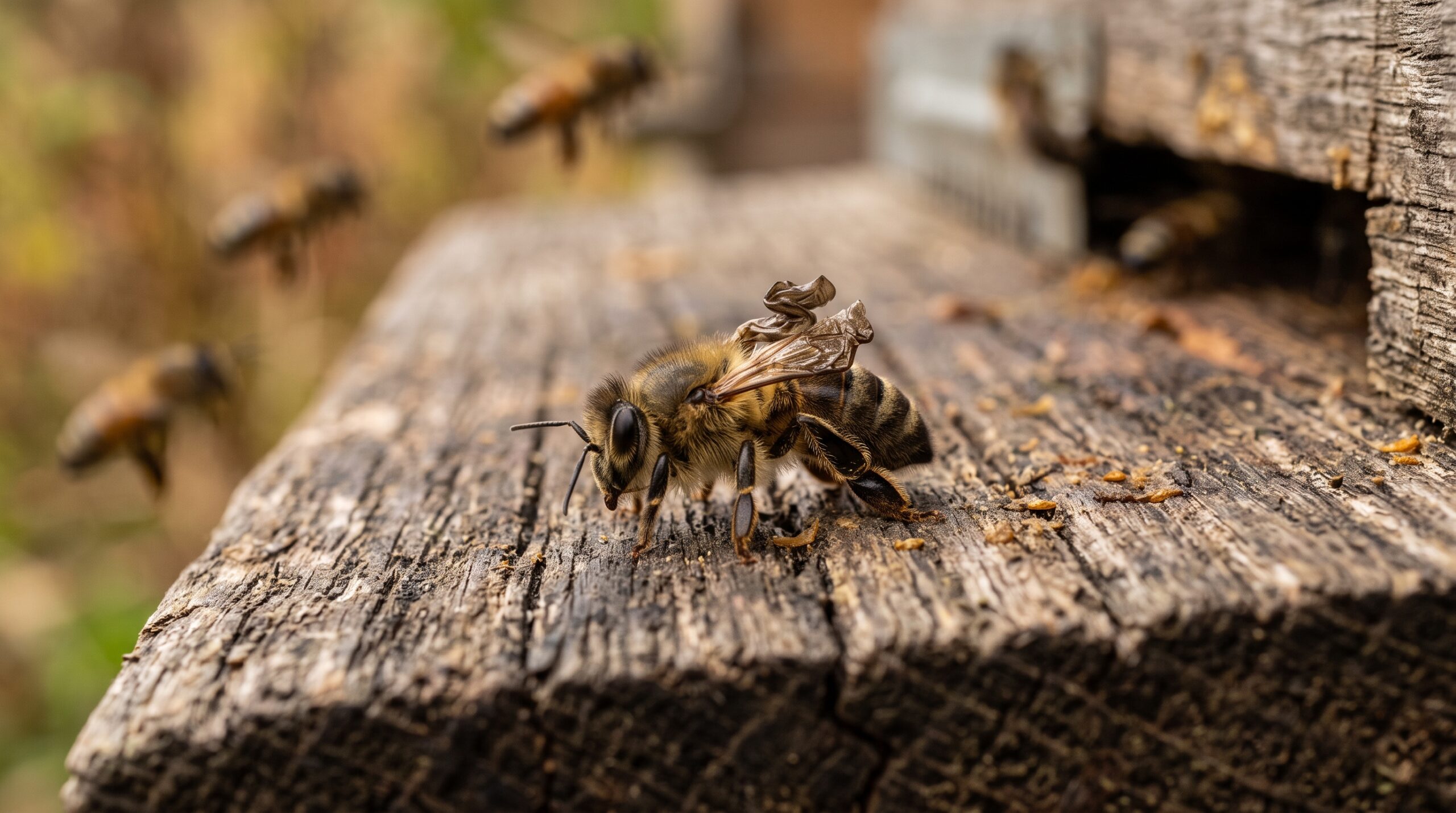
Deformed Wing Virus: Why It Matters More Than You Think
Deformed Wing Virus is the most damaging virus amplified by varroa mites — understanding how it spreads explains why late varroa treatment costs you your winter bees.
-
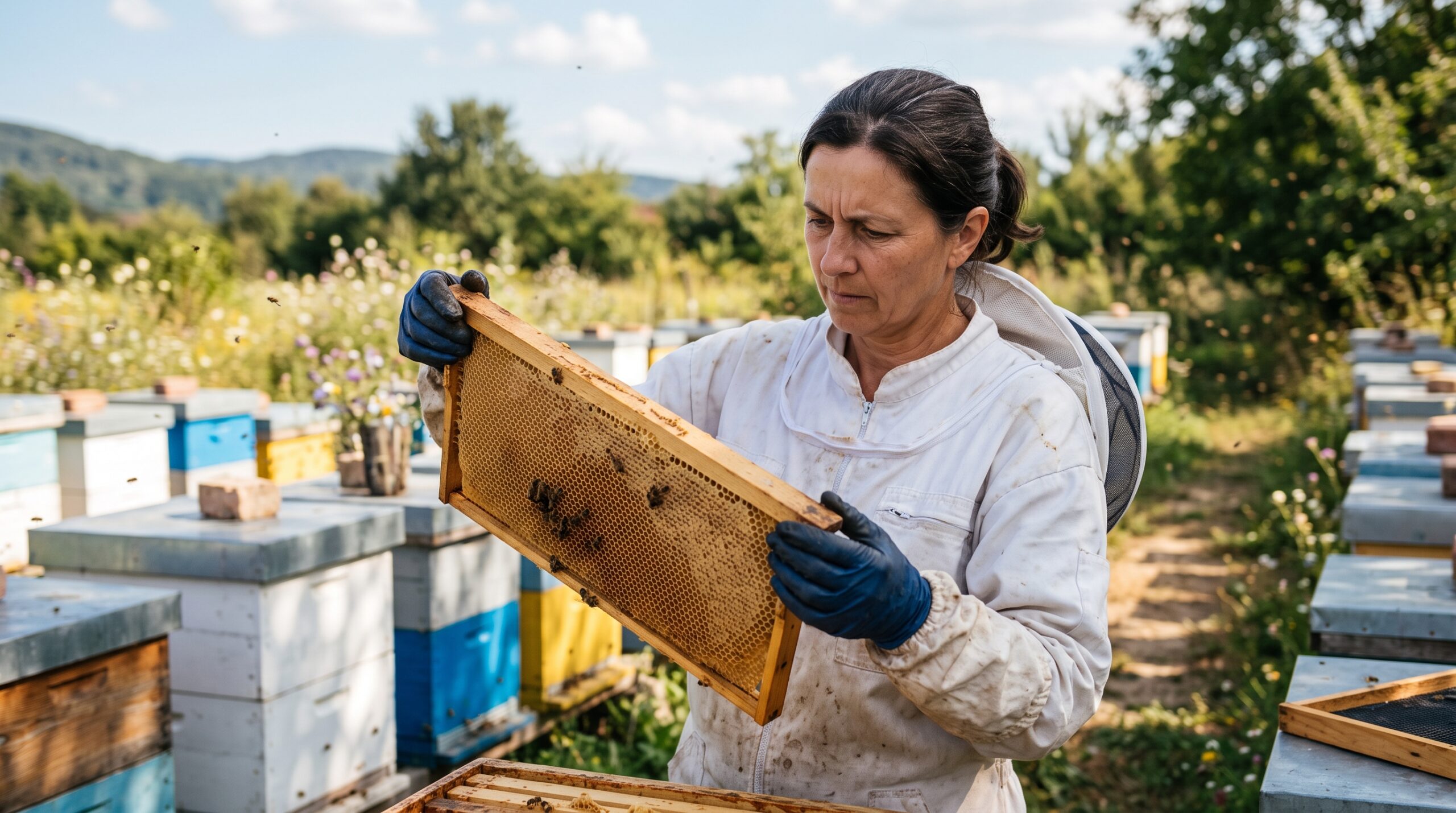
How to Tell If Your Hive Is Queenless (and What to Do Fast)
Knowing when your hive has lost its queen — versus simply not spotting her — is a critical skill; here are the definitive signs and your best next steps.
-
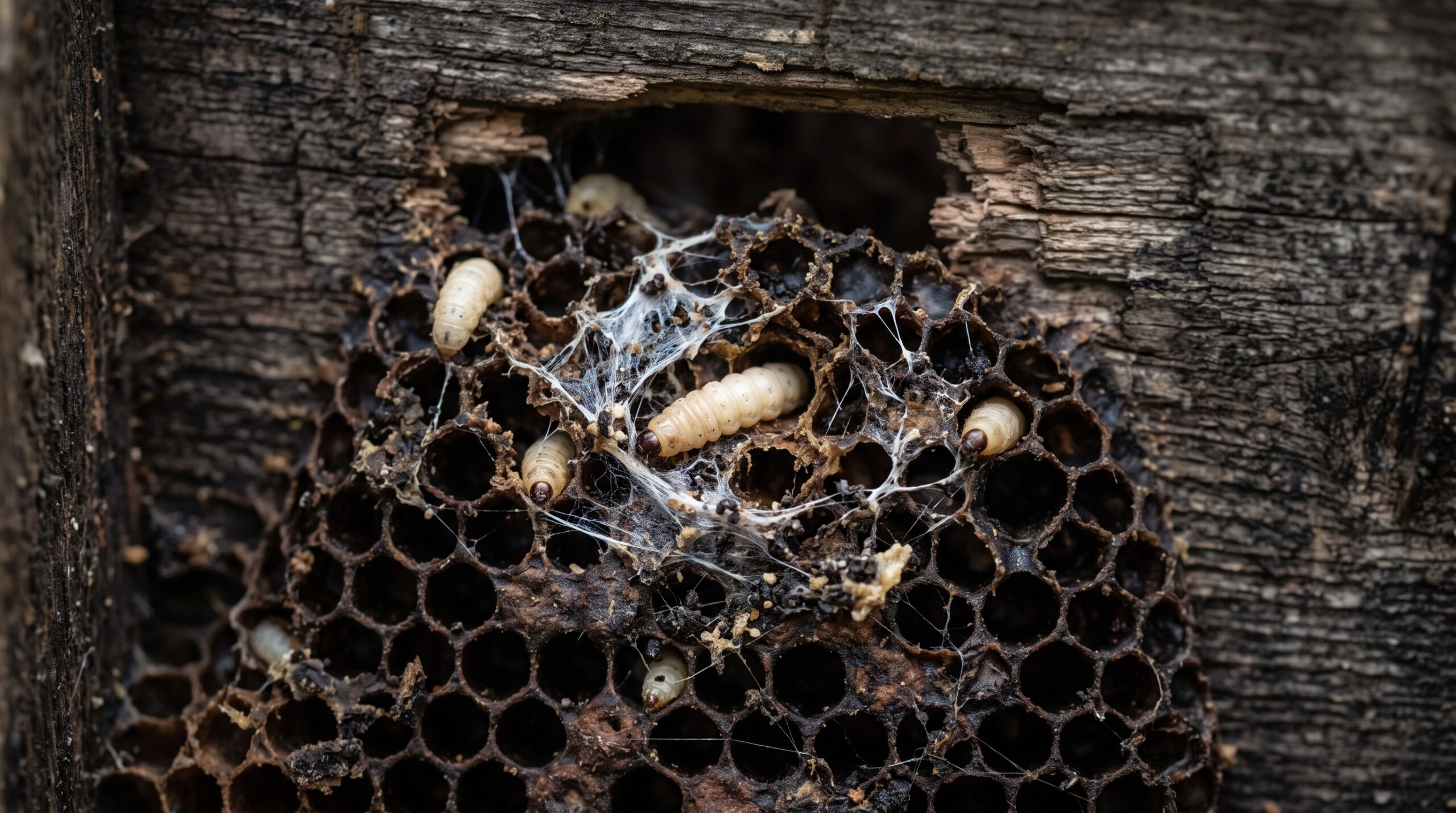
Wax Moths: Prevention, Detection, and Rescue for Damaged Hives
Wax moths thrive in weak hives and stored comb — learn to detect early infestation signs and protect your equipment with freezing, PDB, and Bt treatments.
-
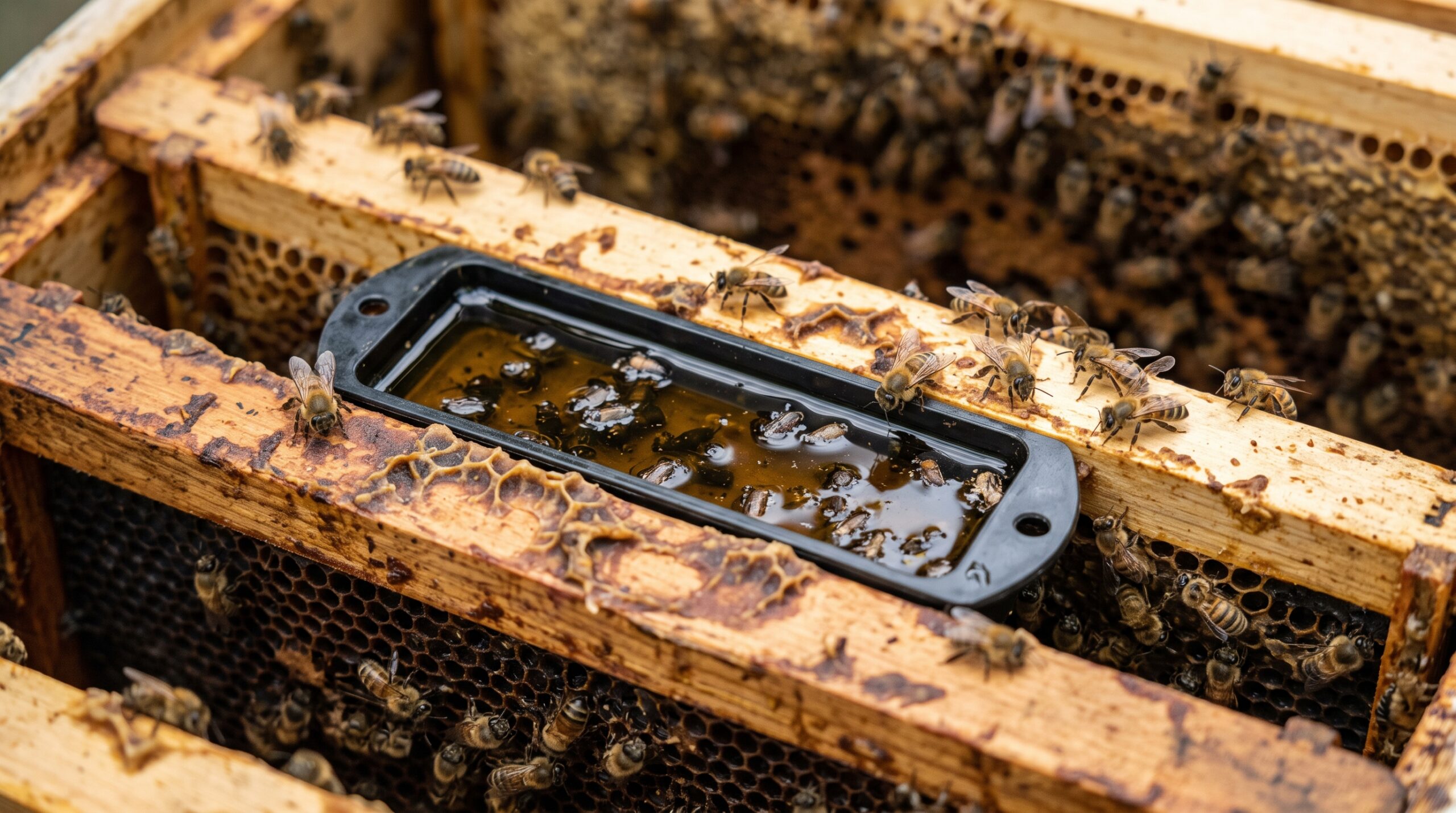
Small Hive Beetle: Field-Tested Control Methods That Work
Small hive beetles can destroy a weak colony fast — here are the in-hive traps, soil treatments, and colony management practices that actually work.
-
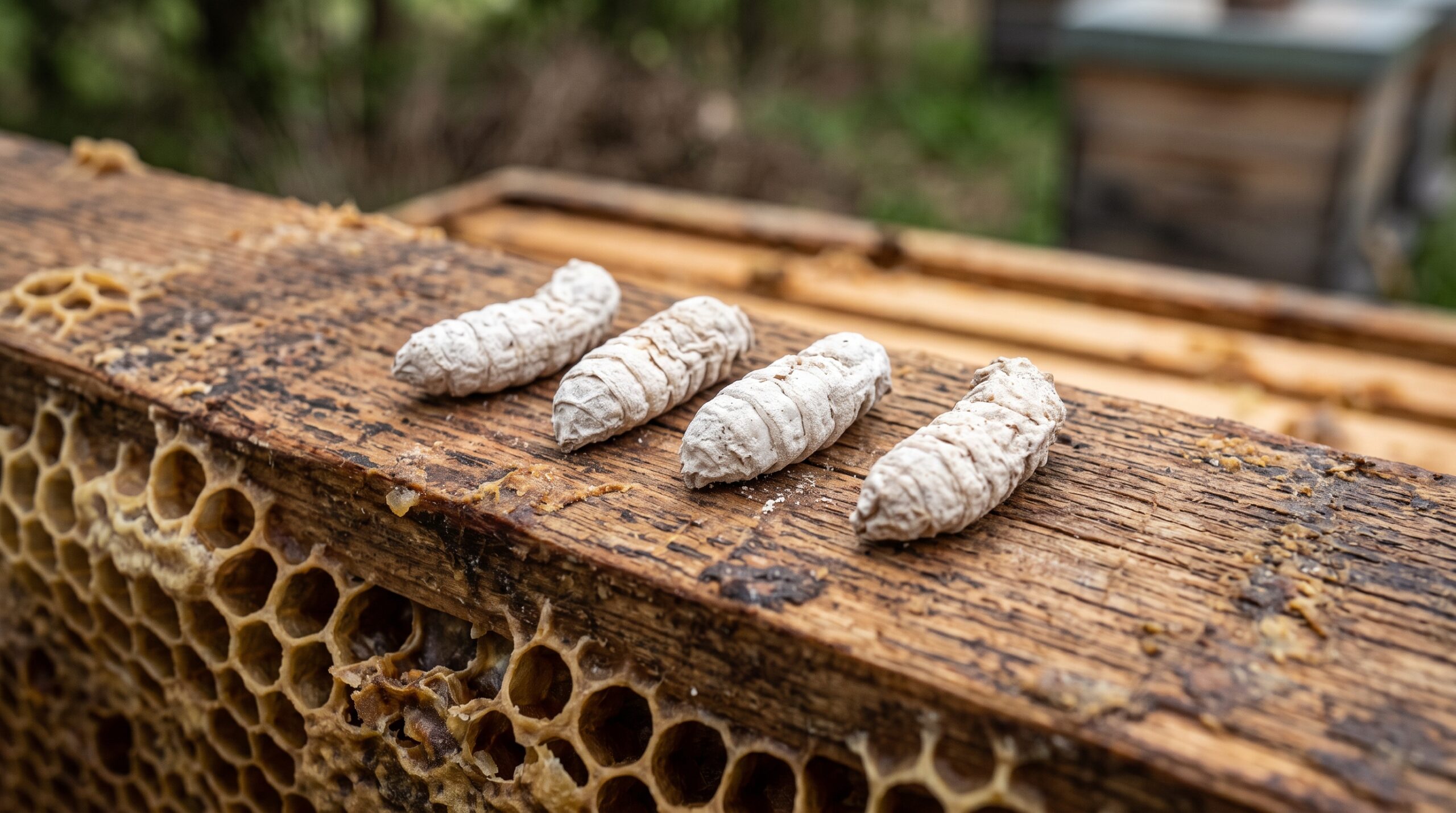
Chalkbrood in Your Hive: What It Is and How I Handle It
Chalkbrood is a fungal disease that mummifies bee larvae — learn to identify it, understand why it happens, and fix the underlying conditions.
-
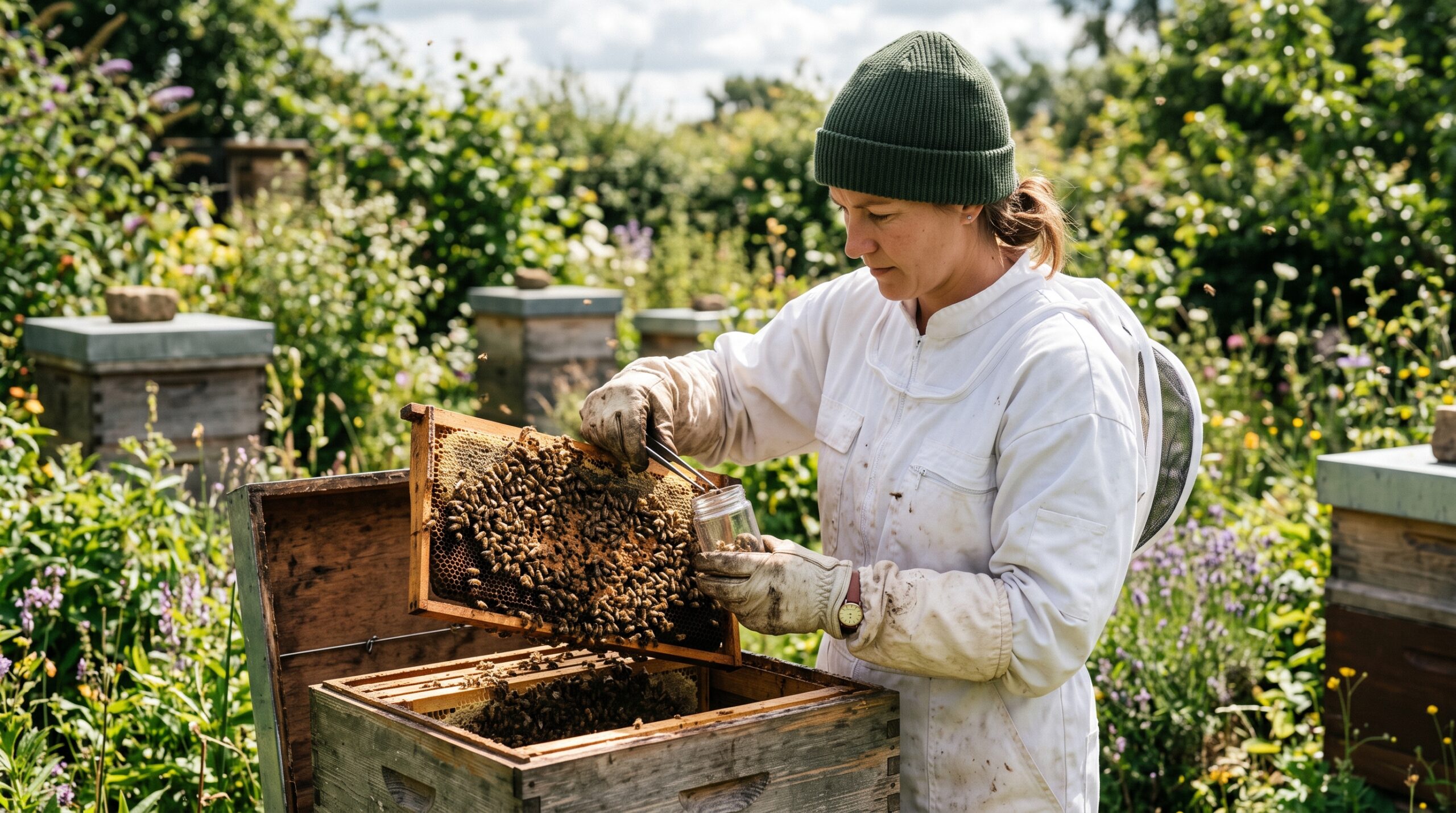
Nosema in Bees: Symptoms, Testing, and Realistic Treatment Options
Nosema is a gut pathogen that causes poor spring buildup and dysentery — here is how to test for it and what management options actually exist.
-
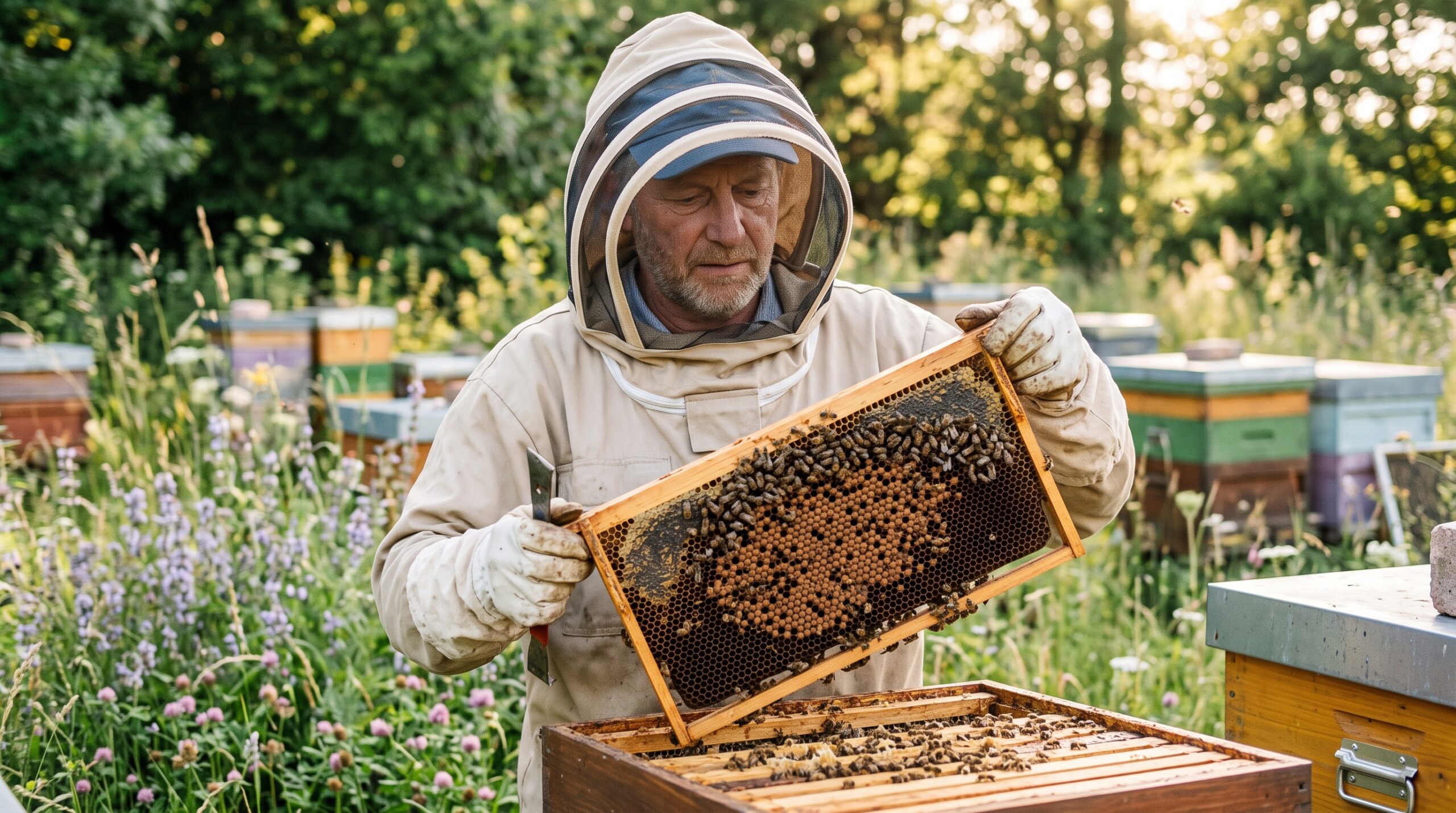
Spotting American Foulbrood Before It Wipes Out Your Apiary
Learn the visual signs of American Foulbrood — from sunken cappings to the definitive ropiness test — and what to do if you find it.
-
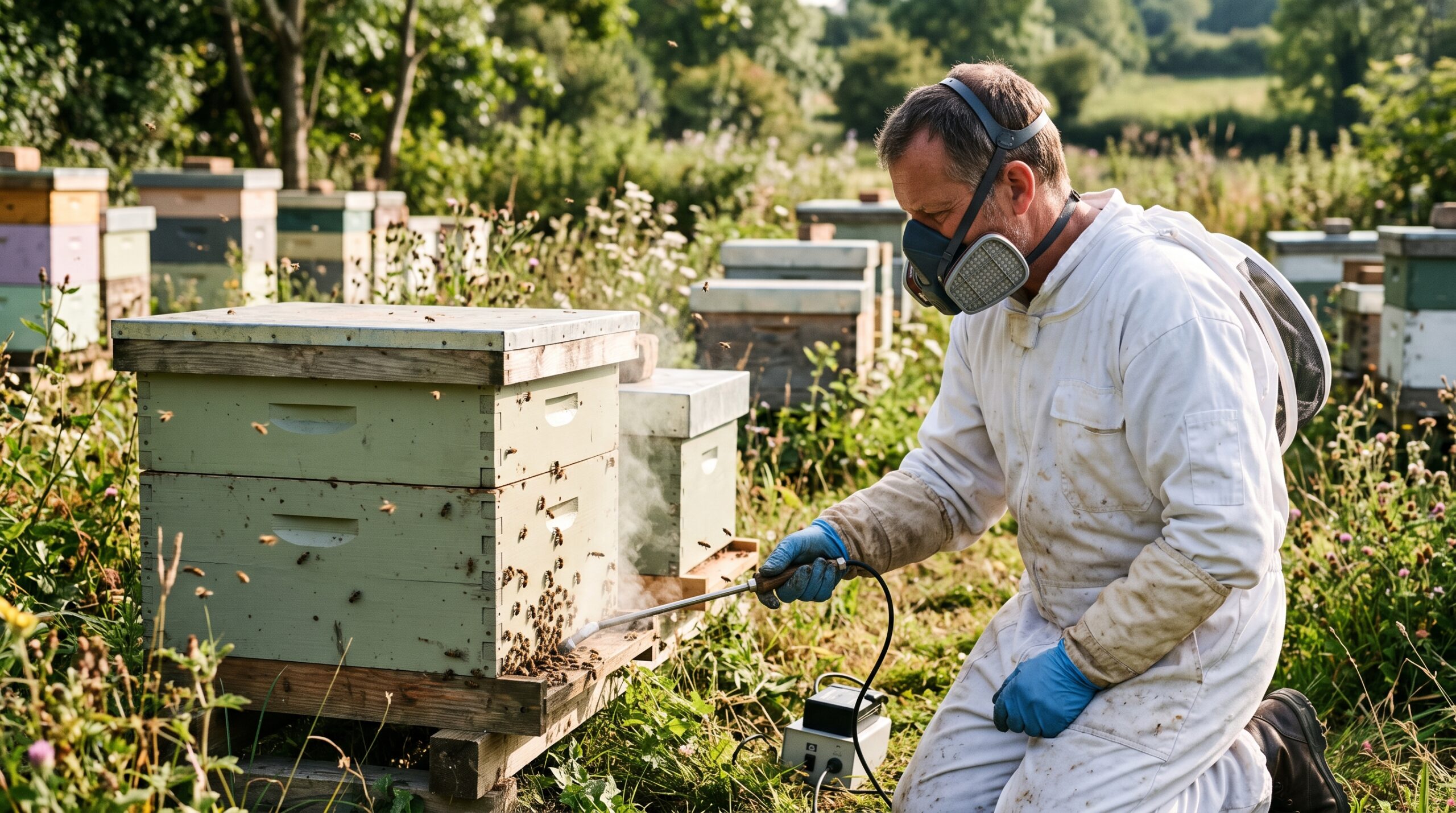
The Varroa Mite Treatment Guide I Wish I Had in Year One
A practical guide to monitoring varroa mite loads, choosing the right treatment method, and timing treatments to protect your winter bees.