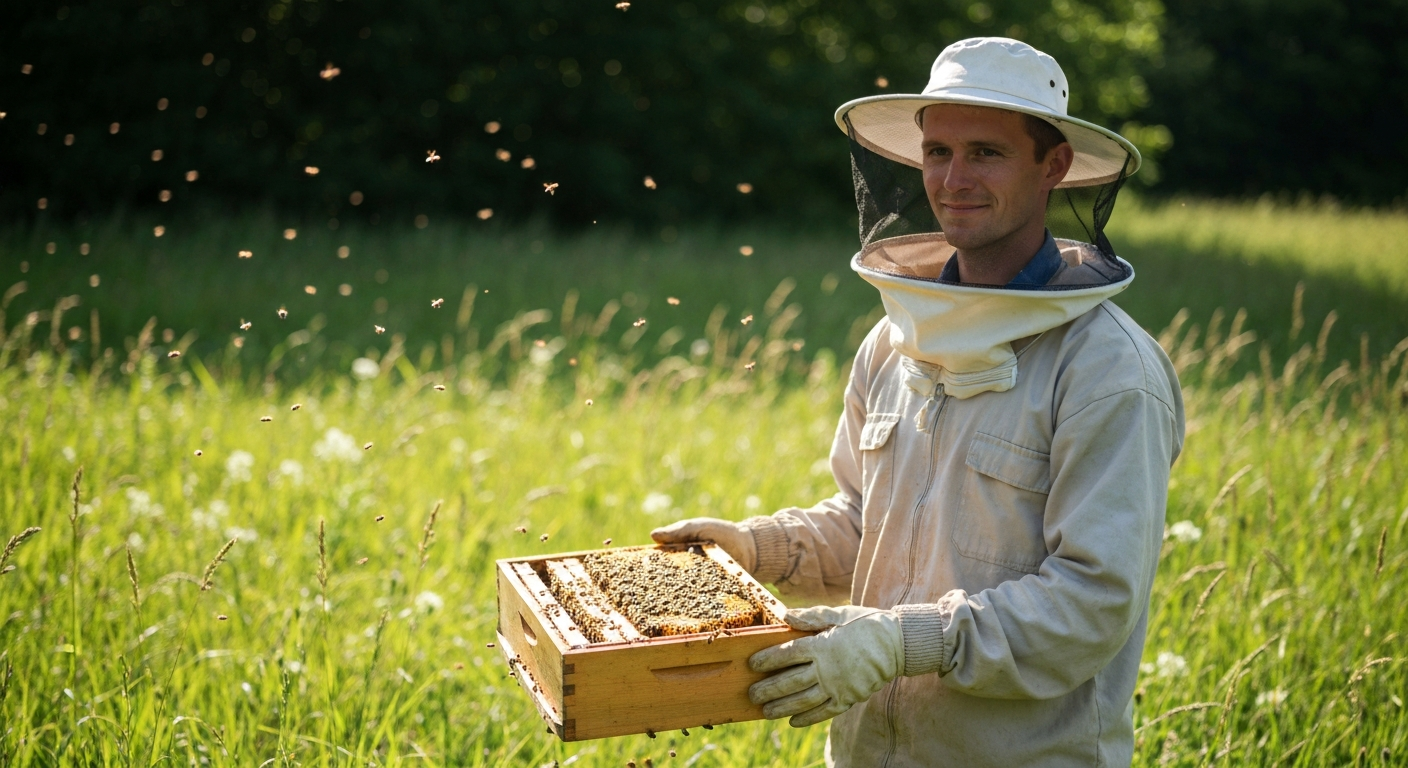
The spring I decided to try selling nucs, I thought it would be straightforward. I had fourteen colonies overwintered well, I had the equipment to make splits, and local beekeepers were posting in our association forum looking for nucleus colonies every week. I ended up selling eight nucs that spring for two thousand dollars. I also had three queens fail after transfer, one buyer whose nuc was robbed out two days after pickup because he ignored my instructions about entrance reducers, and a very stressful week in late April when I wasn’t sure my splits were queenright. I learned more about my own operation that spring than in any previous season.
Selling live bees — nucs and queens — is a fundamentally different business from selling honey. The product is alive and time-sensitive. Quality control matters in a way that changes everything about how you run your apiary.
What the Market Looks Like
Demand for locally raised nucs and queens consistently exceeds supply in most US regions. Commercial package bees ship from Georgia and California starting in March, but their genetics are optimized for scale, not for local conditions. A locally produced nuc from well-adapted stock — bees that overwinter in your climate, forage your local flora, and resist your regional disease pressures — commands a premium and has a ready market.
In most temperate US regions in 2026:
- 5-frame Langstroth nucs sell for $230–$300, with some premium-genetics operations in the Northeast and Pacific Northwest getting $325–$375.
- Mated queens sell for $30–$60 for standard production queens; $60–$120+ for locally raised, open-mated from selected stock; $150–$250+ for instrumentally inseminated queens from certified stock.
- Overwintered nucs (5-frame colonies that survived winter as a unit) command a premium over spring splits — some beekeepers get $350–$450 for a proven overwintered nuc.
How to Produce Nucs Reliably
Making a nuc means splitting a strong colony: you take frames of brood, bees, food stores, and either a mated queen or a viable queen cell into a 5-frame box. The colony then establishes and grows to a sellable state — typically 4–6 weeks after the split.
The challenges:
- Timing: A nuc needs to be ready when your buyer wants it, and queen-cell timing is not always predictable. Order commitments and deposits help ensure buyers are ready to receive on your schedule.
- Queen reliability: New queens can fail to mate successfully, supersede unexpectedly, or be killed during transit or introduction. Always have more queens or cells than you need for your committed orders.
- Strength standard: Don’t sell a weak nuc. Buyers who receive a below-standard colony won’t come back, and they may struggle — which reflects on your reputation regardless of whose fault it was.
- Disease and mite load: Treat for varroa before sale. Do not send nucs with elevated mite counts or visible disease signs. Your reputation depends on the health of what you deliver.
Queen Rearing for Commercial Sale
Producing queens for sale requires specific equipment and knowledge beyond basic splits. You’ll need:
- A dedicated cell-raising colony (the “cell builder”)
- Grafting tools or queen-rearing kits (Nicot, JZ BZ, etc.)
- Mini-mating nucs or 5-frame mating nucs
- A method for introducing and confirming successful mating (egg laying within 14–21 days)
Queen rearing is a skill that rewards investment in education. Take a hands-on workshop — not just a YouTube tutorial — before producing queens for commercial sale. The margins on queens are good, but failed introductions at a buyer’s operation damage your reputation disproportionately.
Managing Buyers and Commitments
Take deposits. Non-refundable deposits (typically 25–50% of purchase price) ensure buyers have skin in the game and that you can cover your costs if they back out. People who won’t put down a deposit often won’t show up on pickup day either.
Communicate pickup logistics clearly. Nucs should be picked up at dusk or dawn, when foragers are in. Buyers need equipment ready — a vehicle with good ventilation, a suit, a hive to transfer into. Give written instructions and follow up the day before pickup.
Offer a brief warranty — many reputable nuc sellers offer a 7-day guarantee on queen presence and viability, with photo documentation required. This reduces disputes and builds buyer confidence. It also costs you very little because a well-produced nuc rarely fails in the first week under proper management.
Common Mistakes
- Overcommitting: Only commit to nucs you’re confident you can produce. Failing to deliver forces refunds and damages relationships.
- Selling on queen cells alone: Always confirm a laying queen before sale, or disclose clearly that the nuc contains a cell, not a mated queen.
- Ignoring mite counts: Selling mite-bombed nucs is the fastest way to get a bad reputation in your local beekeeping community.
- No written record of transaction: Keep records of what you sold, to whom, on what date, at what strength level. If a dispute arises, documentation is your friend.
The nuc and queen market rewards quality, reliability, and reputation. Build all three deliberately, and the business grows through word of mouth more than any advertising you could buy.