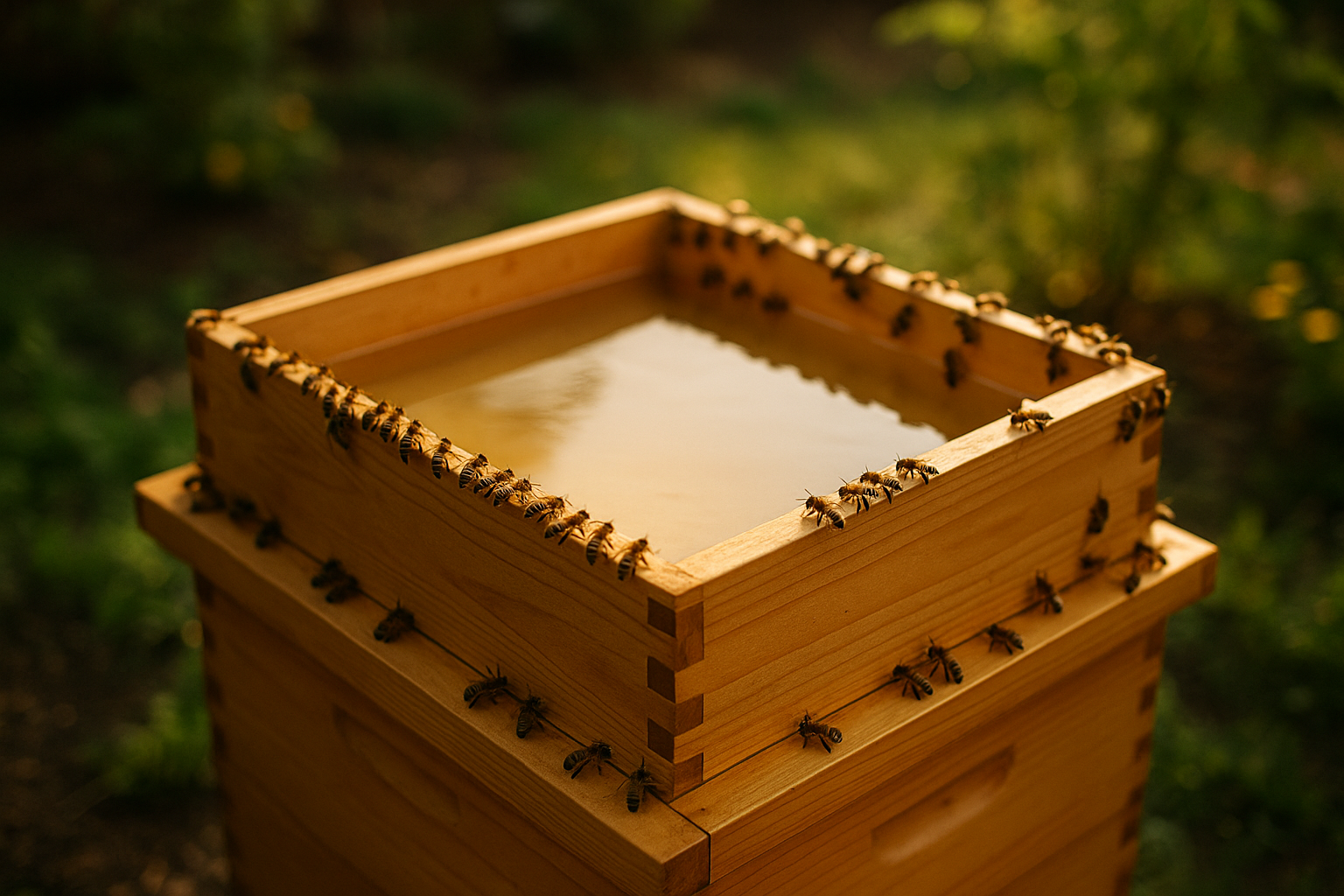
Feeding bees is one of those topics where new beekeepers overthink it and experienced ones sometimes underthink it. I’ve made both mistakes. I’ve dumped syrup into hives when the bees had plenty of stores and didn’t need it, triggering robbing from neighboring colonies. I’ve also waited too long in spring and lost a hive to starvation in April, two weeks before the maple trees bloomed. The truth is, feeding is a tool with specific use cases — not a substitute for healthy forage or good management.
The core question is always: does this hive actually need supplemental feed right now? If a colony has four or more full frames of capped honey, the answer is almost certainly no. If frames are empty or the population is clustered tightly around bare comb with no visible stores, feed immediately and don’t delay. Between those extremes is where judgment comes in.
The Two Basic Ratios and When to Use Each
Sugar syrup for bees is almost always made from plain white granulated cane or beet sugar (sucrose) dissolved in water. Two ratios are standard, and they serve different purposes:
- 1:1 syrup (1 part sugar : 1 part water by weight): Thin syrup. Use in spring and early summer. The high water content mimics nectar and stimulates brood rearing. Bees process it quickly and it encourages colony expansion. Do not use this in fall — bees can’t dehydrate it to safe moisture levels before cold sets in, and it will ferment in the comb.
- 2:1 syrup (2 parts sugar : 1 part water by weight): Thick syrup. Use in late summer and fall to build winter stores. Bees can reduce the moisture content more efficiently, and it stores longer without fermenting. I switch to 2:1 after August 15 in my region.
Make syrup by dissolving sugar in hot (not boiling) water, stirring until clear. Boiling can caramelize the sugar, producing hydroxymethylfurfural (HMF), which is toxic to bees in high concentrations. Let it cool before offering it.
Feeder Types: What Works and What Doesn’t
There are half a dozen feeder designs on the market. In my apiary, I’ve settled on two:
- Hive-top feeders: Large reservoirs that sit on top of the brood boxes under the outer cover. Bees access syrup from below through a screen or slotted tray. Low drowning risk if designed well. Easy to refill without opening the hive. My default choice for established colonies.
- Frame feeders (division board feeders): Hang inside the hive where a frame would go. Close proximity to bees is good in cold weather. Drowning risk is higher — add a float (rough wooden stick or cork) so bees can climb out. Useful for nucleus hives or small packages.
Entrance feeders (the small plastic reservoirs that plug into the entrance) are fine for small amounts but slow and vulnerable to robbing. I avoid them on any hive that isn’t an isolated nuc.
Timing: When Feeding Helps and When It Backfires
Feed in spring when stores are low and natural forage hasn’t started yet. The 1:1 ratio stimulates brood rearing, which is exactly what you want — a booming population heading into the nectar flow. Stop feeding once dandelions are blooming and your bees are bringing in enough nectar naturally. If you keep feeding into a nectar flow, you’ll fill brood frames with syrup and crowd out the queen’s laying space.
Feed in fall to top off stores before winter. In the upper Midwest, I aim for 60–80 pounds of stores per colony (roughly eight to ten full frames of capped honey). If a hive is short, 2:1 syrup in September helps fill the gap before temperatures drop below 50°F, when bees stop moving syrup effectively.
- Spring: Start feeding when stores are low, stop when natural forage arrives
- Summer drought: Short-term feeding if colonies are losing weight (check hive weight)
- Fall: Fill gaps with 2:1 syrup by mid-October in northern climates
- Winter: Fondant or candy boards only — liquid syrup cannot be processed in cold temps
Common Mistakes to Avoid
The biggest mistake I see new beekeepers make is feeding during a nectar dearth without managing robbing. When you feed open syrup or run a leaky feeder, the scent of sugar water drifts for hundreds of yards. Strong colonies in the area will track it down and attack weaker hives. Always use sealed feeders, feed in the evening when flying slows, and reduce hive entrances during dearth periods.
- Feeding when stores are adequate: Wastes your time, can trigger robbing, may overcrowd brood nest
- Using 1:1 in fall: Bees can’t dehydrate it in time; fermented stores cause dysentery
- Adding additives without reason: Fumagillin is no longer available in the US; essential oils in syrup have limited evidence; skip “homeopathic” additions unless you have a specific verified need
- Neglecting to refill: An empty feeder during a short feeding window is missed opportunity. Check every 3–4 days when feeding actively.
- Feeding in cold weather: Below 50°F, liquid syrup sits unprocessed and can introduce excess moisture into the hive
A Note on Pollen Substitute
Sugar syrup provides carbohydrates only. If your bees are short on pollen in early spring — common in years with a late frost — they can’t raise healthy brood without a protein source. Pollen substitute patties (Megabee, Global Patties, or Mann Lake’s AP23) placed directly on the top bars of the brood box help bridge the gap. I add patties starting in February in my region, before natural pollen is available, and replace them every two to three weeks as the bees consume them.
Feeding bees well is less about following a rigid schedule and more about reading your colonies and responding to what they actually need. Lift the back of your hives periodically to check weight, watch what the bees are bringing in, and open the feeder only when the data tells you to. The bees will reward the attention.